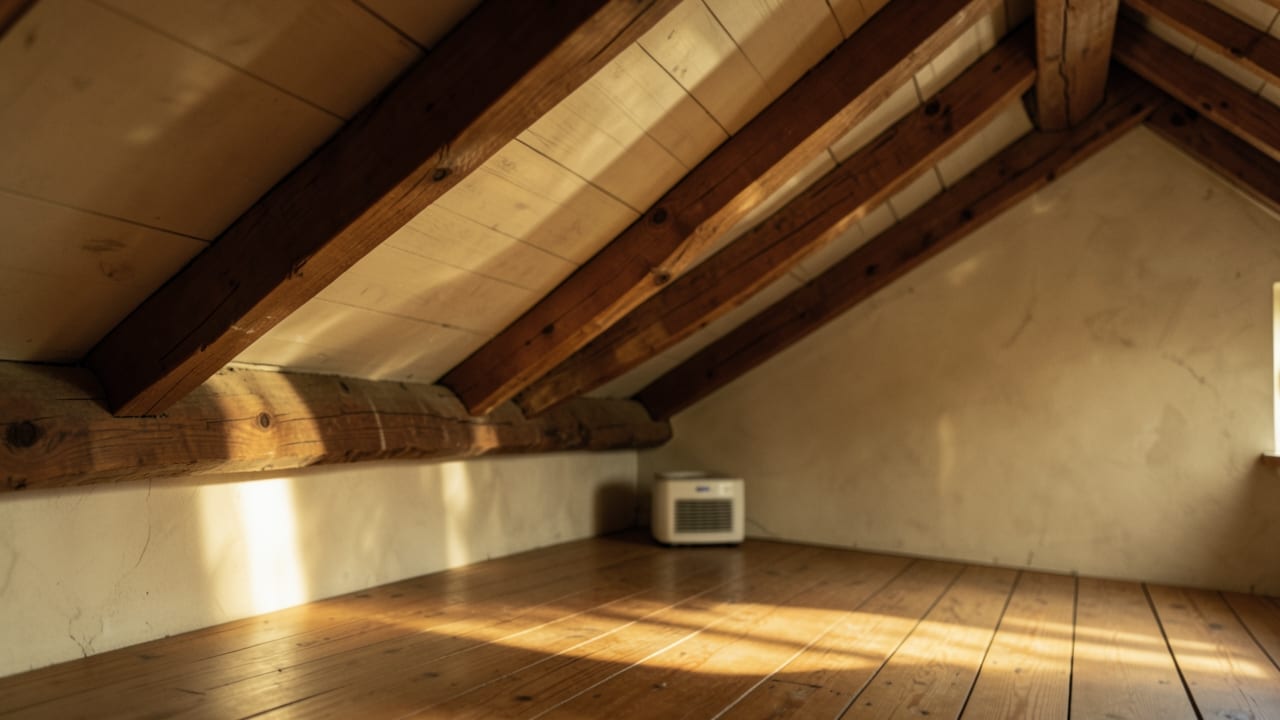
Salt Air Mold Remediation
Professional mold assessment, containment, removal, and prevention in affected areas of the home.
Mold growth in Line Lexington, PA, often stems from moisture trapped in walls, under flooring, or behind fixtures—common in homes with poor ventilation or past water damage. Salt Air Mold Remediation specializes in removing fungal growth using containment, HEPA filtration, and structural drying to prevent regrowth.
The process targets hidden spores while addressing the root moisture issue to help keep the problem from returning.
We also handle Attic Mold Remediation and Commercial Mold Remediation for Line Lexington properties.
When mold remediation is needed
Mold covering more than a small patch, recurring after cleaning, or hidden behind walls or under flooring signals it’s time for professional remediation. Musty odors, especially when HVAC systems run, can also indicate hidden growth.
In Pennsylvania, mold covering 25 contiguous square feet is often considered beyond DIY scope, requiring licensed contractors to ensure proper containment and removal.
Stagnant areas like windowless bathrooms, closets, or basements with poor airflow are prone to persistent dampness. Fixing the moisture source—such as leaks, condensation, or grading issues—is critical to prevent regrowth after remediation. Without addressing these, mold can return within months, even after thorough cleanup.
Signs You May Need Mold Remediation
- Mold covering more than 25 square feet (PA threshold for professional work)
- Recurring mold in the same spot after cleaning
- Musty smells with no visible mold, especially near HVAC vents
- Visible growth on porous materials (drywall, carpet padding, insulation)
- Water stains or dampness behind walls, under flooring, or near plumbing
What affects cost and scope
The size of the affected area, type of materials involved, and whether black mold is confirmed all influence pricing. Porous materials like drywall are typically removed, while non-porous surfaces may be cleaned and treated. Hidden mold behind walls or under flooring requires additional labor and containment, raising the total cost.
Structural drying with industrial dehumidifiers and air movers extends the job timeline, especially in high-humidity conditions. Clearance testing by an independent lab ensures the work meets safety standards, but it may add to the overall expense. Always confirm whether an estimate includes inspection, containment, remediation, and post-work testing.
What to ask before hiring a remediator
Not all remediation quotes cover the same steps. Containment, clearance testing, and moisture-source repairs may be priced separately, leading to unexpected costs. A written scope of work protects against unclear pricing or missing services once demolition begins.
Independent lab testing confirms mold species and clearance after remediation, but some providers skip this step. Always verify whether a quote includes third-party verification or if additional fees apply later. Hidden mold discovered during demolition can also lead to change orders—ask how these are handled upfront.
| Question to Ask | Why It Matters |
|---|---|
| Does the estimate include inspection, containment, and clearance testing? | Excludes these = incomplete job; spores may linger. |
| Is the square footage of treated area specified in the quote? | Vague estimates make apples-to-apples comparisons impossible. |
| Will a third-party lab test confirm mold clearance after work? | No test = no proof the problem is fully resolved. |
| How are hidden mold discoveries or change orders priced? | Demolition often reveals unforeseen damage—clarify upfront. |
How salt air mold remediation works
This process focuses on containment, removal, and drying to eliminate fungal growth and prevent recurrence.
- 1Containment Setup
Plastic sheeting and negative-air machines seal the work area to trap spores during removal, preventing them from spreading to unaffected rooms via air or HVAC systems.
- 2Material Removal or Treatment
Porous materials like drywall or carpet padding, which absorb mold, are cut out and bagged. Non-porous surfaces like tile or framing are scrubbed and treated to kill spores.
- 3HEPA Filtration and Cleanup
HEPA air scrubbers run continuously to capture airborne spores, and surfaces are vacuumed with HEPA-equipped tools to avoid recirculating contamination.
- 4Structural Drying
Industrial dehumidifiers and air movers reduce moisture in framing and subfloors to normal levels, as mold regrows on damp materials even after visible traces are removed.
- 5Clearance Testing
An independent lab tests air or surfaces post-remediation to confirm spore counts are within safe ranges before containment is removed.
Frequently asked questions
Can I clean small mold patches myself, or should I call a professional?
Small, isolated patches (under 25 square feet) can often be cleaned with vinegar or detergent, but hidden growth or recurring mold signals a need for professional remediation. DIY methods may miss spores trapped in walls or under flooring.
Why does the musty smell linger even after mold is removed?
Musty odors often indicate hidden mold in walls, ductwork, or under flooring. Structural drying and HEPA filtration help eliminate lingering spores, but the smell may persist until moisture sources are fully addressed.
How do I know if my home’s humidity is contributing to mold?
Use a hygrometer to check humidity levels—ideal ranges are 30–50% relative humidity. Rooms like basements or bathrooms that stay damp benefit from dehumidifiers or fans to prevent moisture buildup.
What should I do if mold keeps coming back after remediation?
Recurring mold often means the original moisture source wasn’t fixed. Check for leaks, poor ventilation, or grading issues near the foundation, and consider periodic humidity checks in the affected area for early detection.
See Ivyland, PA for more, or check out everything on offer in Line Lexington in full for our complete lineup.
Ready to get started?
Talk to a local mold remediation pro in Line Lexington — get a written quote.
Other Mold Remediation Services in Line Lexington
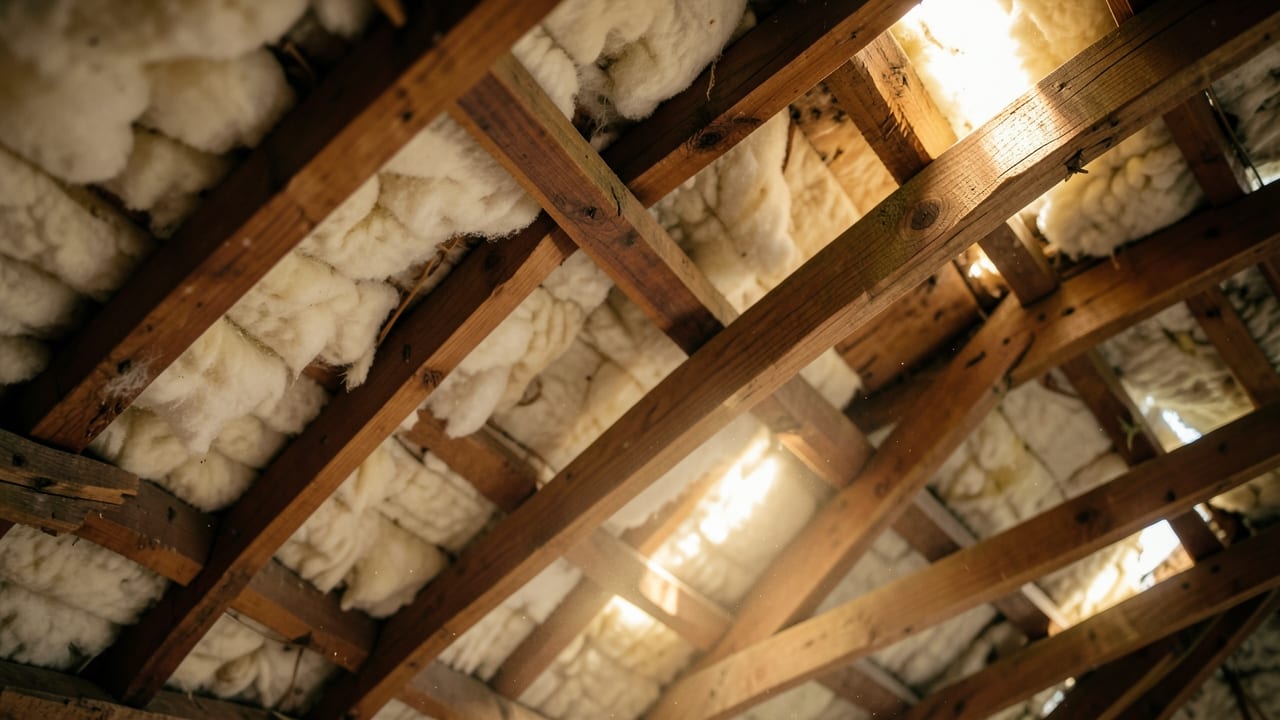
Attic Mold Remediation in Line Lexington, PA
Attic mold remediation in Line Lexington, PA addresses roof-deck growth typically caused by poor ventilation or a hidden roof leak.
Learn More
Commercial Mold Remediation in Line Lexington, PA
Commercial mold inspection and remediation in Line Lexington, PA for offices, retail space, and multi-unit properties, scheduled around business operations.
Learn More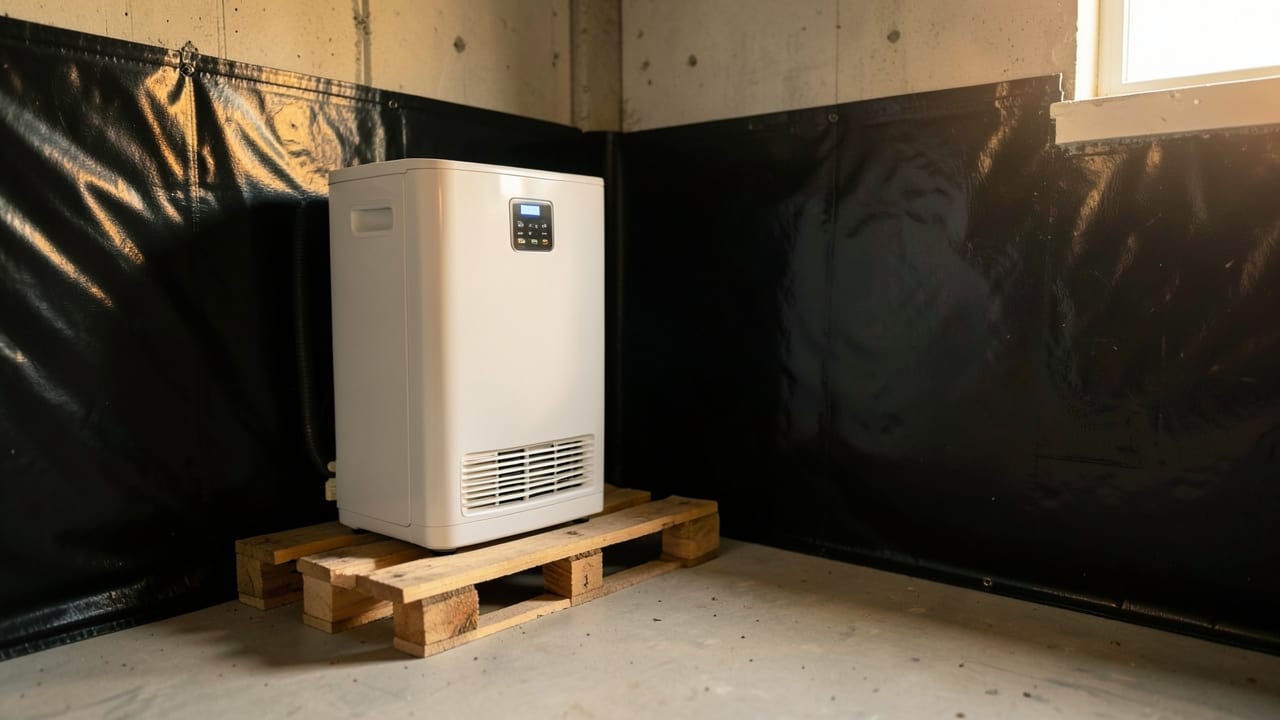
Mold Prevention & Moisture Control in Line Lexington, PA
Mold prevention and moisture control in Line Lexington, PA — addressing ventilation, humidity, and drainage before growth starts, not after.
Learn More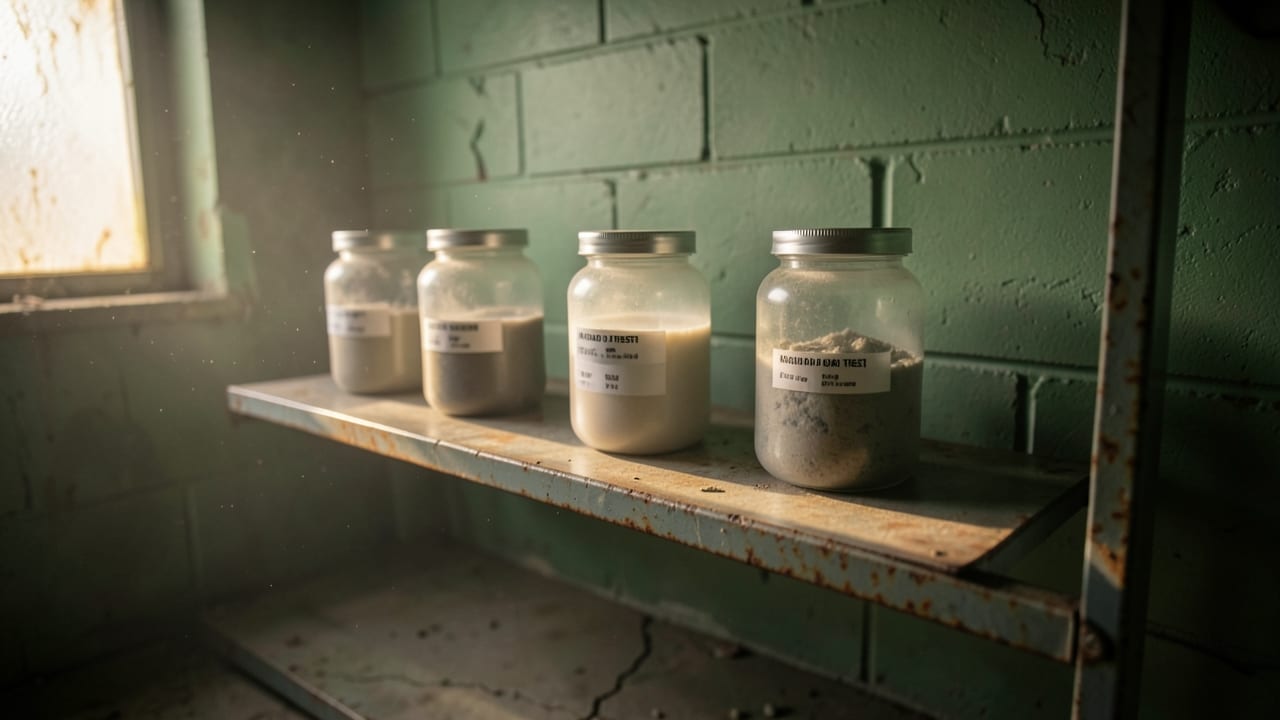
Mold & Asbestos Testing in Line Lexington, PA
Combined mold and asbestos testing in Line Lexington, PA — one inspection visit, lab-verified results for both.
Learn More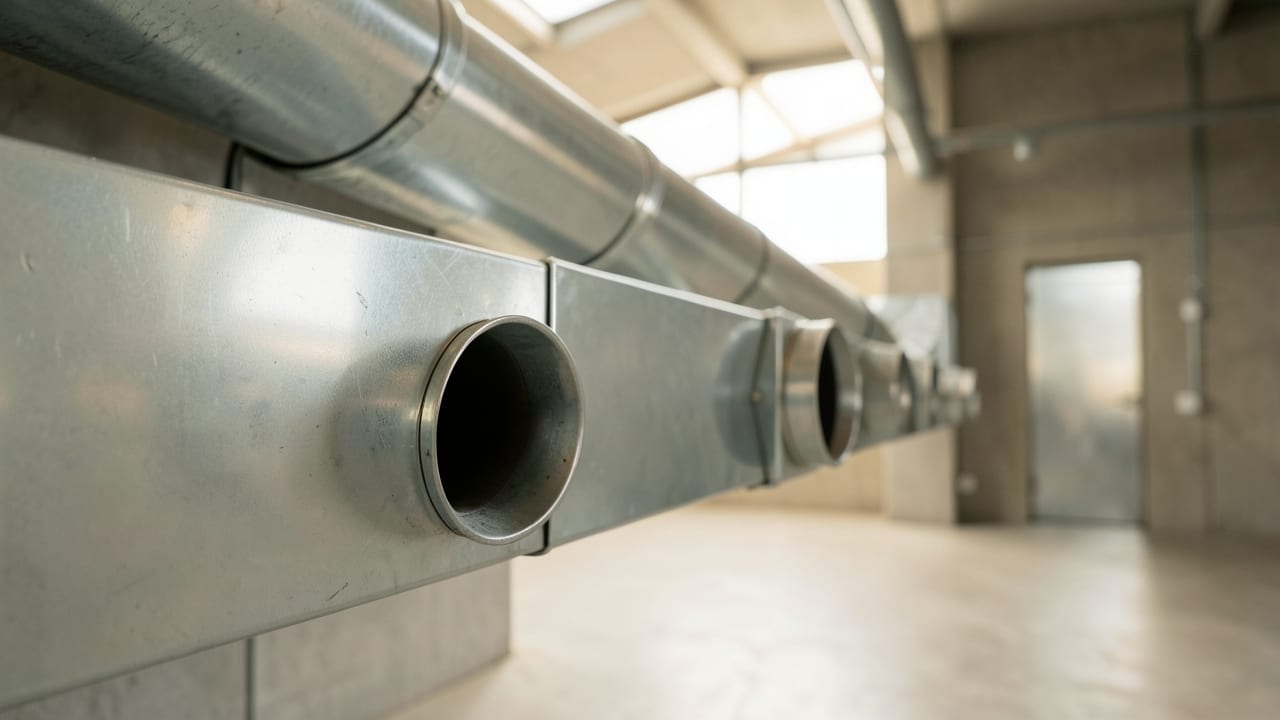
HVAC Mold Remediation in Line Lexington, PA
HVAC and ductwork mold remediation in Line Lexington, PA — mold growing inside the air handler or duct system, spreading through every vent.
Learn More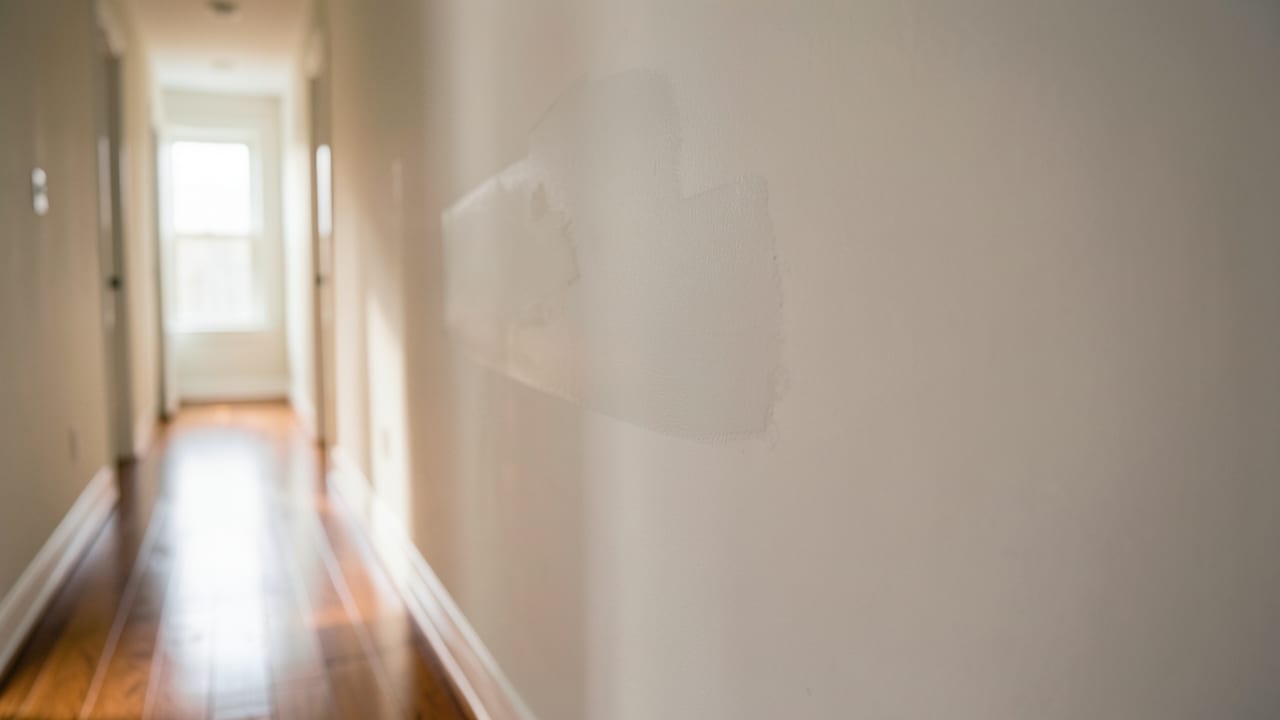
Drywall Mold Remediation in Line Lexington, PA
Professional removal and treatment of mold growth behind or on drywall surfaces.
Learn MoreCommon Questions About Mold Remediation in Line Lexington
Everything you need to know about mold remediation services in Line Lexington
How much does Salt Air Mold Remediation typically cost in Line Lexington, PA?
Why does Line Lexington, PA's humidity make mold a bigger risk than in drier regions?
Does mold mean the same thing as mildew?
Does homeowners insurance typically cover mold remediation?
Is black mold actually more dangerous than other mold types?
How long does a typical mold remediation job take?
Need Mold Remediation in Line Lexington?
Connect with local providers in Line Lexington for a detailed quote.
⏰ We answer your call • Serving all of Line Lexington and surrounding areas