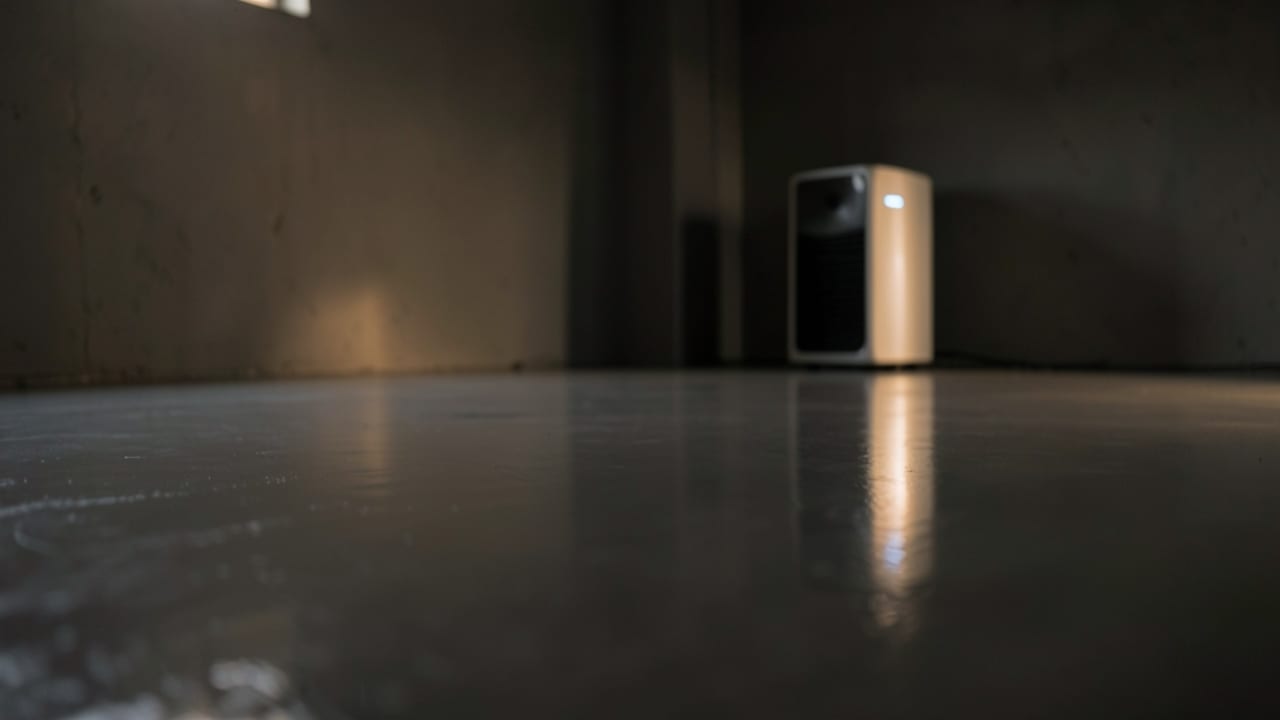
Post-Remediation Sealing
Applying protective sealants to surfaces after mold remediation to prevent future growth.
Post-remediation sealing in Line Lexington, PA, involves applying specialized coatings to surfaces after mold removal to prevent future growth. This step helps protect treated areas by blocking moisture absorption and creating a barrier that supports long-term results.
It’s a key part of ensuring the work done during remediation lasts and doesn’t reoccur due to lingering dampness.
We also handle Drywall Mold Remediation and Concrete Mold Remediation for Line Lexington properties.
When is sealing needed?
Sealing is typically recommended after mold remediation when porous materials like drywall, insulation, or carpet padding have been removed or treated. It’s also useful for non-porous surfaces like framing or tile that were scrubbed and treated. Without sealing, these surfaces can still absorb moisture, leading to regrowth over time.
Signs that sealing may be necessary include visible mold returning in the same spot after cleaning, a musty smell that persists, or areas that stay damp due to poor airflow.
If moisture sources like leaks or condensation aren’t fully addressed, sealing helps mitigate the risk of recurrence by adding an extra layer of protection.
Signs Post-Remediation Sealing May Be Needed
- Mold reappears in the same location after cleaning or removal.
- A musty odor remains even after visible mold is gone.
- Areas stay damp due to poor ventilation or stagnant air.
- Porous materials (drywall, insulation, carpet padding) were removed or treated during remediation.
- Non-porous surfaces (framing, tile) were scrubbed but may still absorb moisture over time.
What affects cost and timing?
The cost of post-remediation sealing varies based on the size of the treated area, the type of surfaces being sealed, and the specific sealant used. Labor, materials, and whether additional steps like structural drying or clearance testing are required also play a role.
Timing can depend on drying conditions, as industrial dehumidifiers and air movers may need several days to bring moisture levels down before sealing can begin.
Sealing is usually priced per square foot, with the total cost depending on whether the work is part of a larger remediation project or done as a standalone service. Clearance testing, if required, may add to the overall expense but ensures the treated area is fully protected.
What to look for in a provider
Not all providers follow the same steps after mold remediation. Ask whether sealing is included in the quote or if it’s an add-on. A reputable provider will confirm whether clearance testing is part of the process, as this step ensures the area is fully protected.
They should also explain whether the moisture source causing the mold has been addressed, as sealing alone won’t prevent regrowth if dampness persists.
Avoid providers who rush the inspection or skip containment during removal. Proper containment prevents spores from spreading to unaffected areas, while HEPA filtration ensures no spores are recirculated into the air. Always review the written scope of work before agreeing to any service to avoid unexpected costs later.
| Red Flag | Why It Matters |
|---|---|
| Verbal estimate with no written scope | No clear record of what’s included, leading to disputes later. |
| No mention of clearance testing | No independent confirmation the area is fully cleared. |
| Pressure to sign during the inspection | Legitimate scopes take time to prepare accurately. |
| Full payment requested upfront | Removes leverage if the work isn’t completed as agreed. |
| No discussion of fixing moisture sources | Sealing alone won’t stop regrowth if dampness remains. |
How post-remediation sealing works
After mold is removed, sealing creates a protective barrier to prevent future growth.
- 1Surface Preparation
Treated surfaces are cleaned and dried to ensure the sealant adheres properly. Any residual dust or moisture can weaken the barrier, so thorough drying is critical.
- 2Sealant Application
A specialized coating is applied to non-porous surfaces like framing or tile. For porous materials that were removed, sealing may involve encapsulating the area with a vapor barrier.
- 3Moisture Barrier Verification
The sealed area is checked for gaps or uneven coverage. Proper application helps block moisture absorption, reducing the risk of mold returning.
- 4Final Inspection
A walkthrough confirms the sealant is evenly applied and the area is fully protected. Clearance testing may follow to verify spore levels are back to normal.
Frequently asked questions
Can I seal the area myself after mold remediation?
DIY sealing is possible for small, non-porous surfaces, but professional-grade sealants and proper application are key. If the mold covered a large area or porous materials were removed, hiring a professional ensures the barrier is effective and long-lasting.
How long does sealing last?
The lifespan of a sealed area depends on the sealant used and whether moisture sources are addressed. With proper maintenance and no lingering dampness, sealing can help protect surfaces for years.
Will sealing prevent mold from coming back if the moisture source isn’t fixed?
Sealing helps reduce the risk of regrowth, but it’s not a substitute for fixing leaks, condensation, or grading issues. Without addressing the moisture source, mold can still develop over time.
Do I need clearance testing after sealing?
Clearance testing confirms spore levels are back to normal after remediation. While sealing helps protect surfaces, testing provides independent verification that the area is safe before it’s considered finished.
See Ambler, PA for more, or check out our complete Line Lexington service list in one place for our complete lineup.
Ready to get started?
Talk to a local mold remediation pro in Line Lexington — get a written quote.
Other Mold Remediation Services in Line Lexington
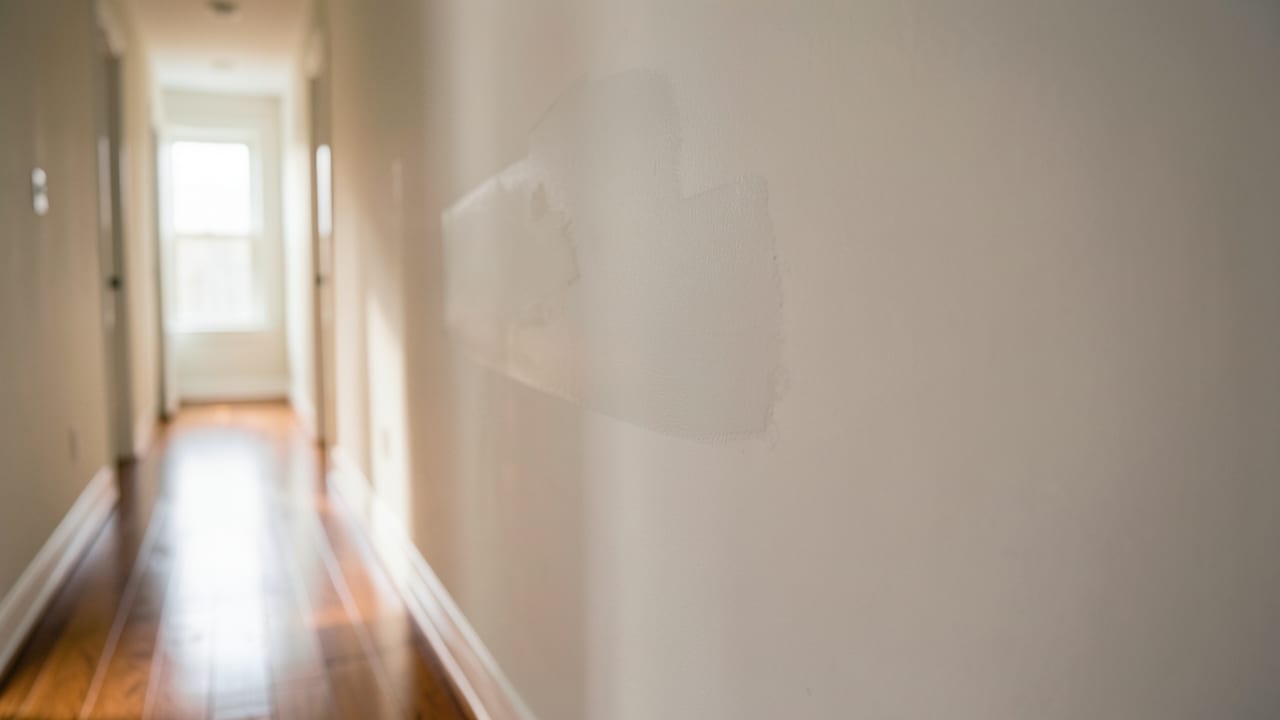
Drywall Mold Remediation in Line Lexington, PA
Professional removal and treatment of mold growth behind or on drywall surfaces.
Learn More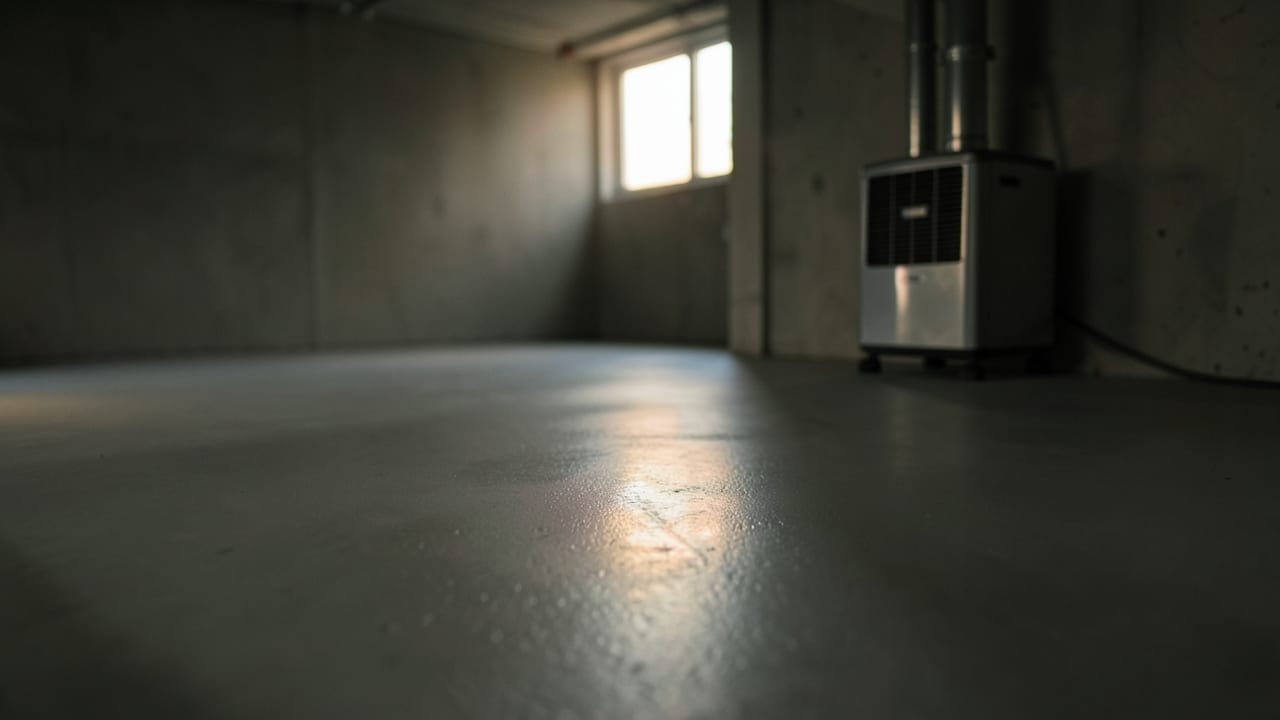
Concrete Mold Remediation in Line Lexington, PA
Professional removal and treatment of mold from concrete surfaces in homes.
Learn More
Garage Mold Removal in Line Lexington, PA
Professional assessment and removal of mold growth in garages to restore a safe, clean space.
Learn More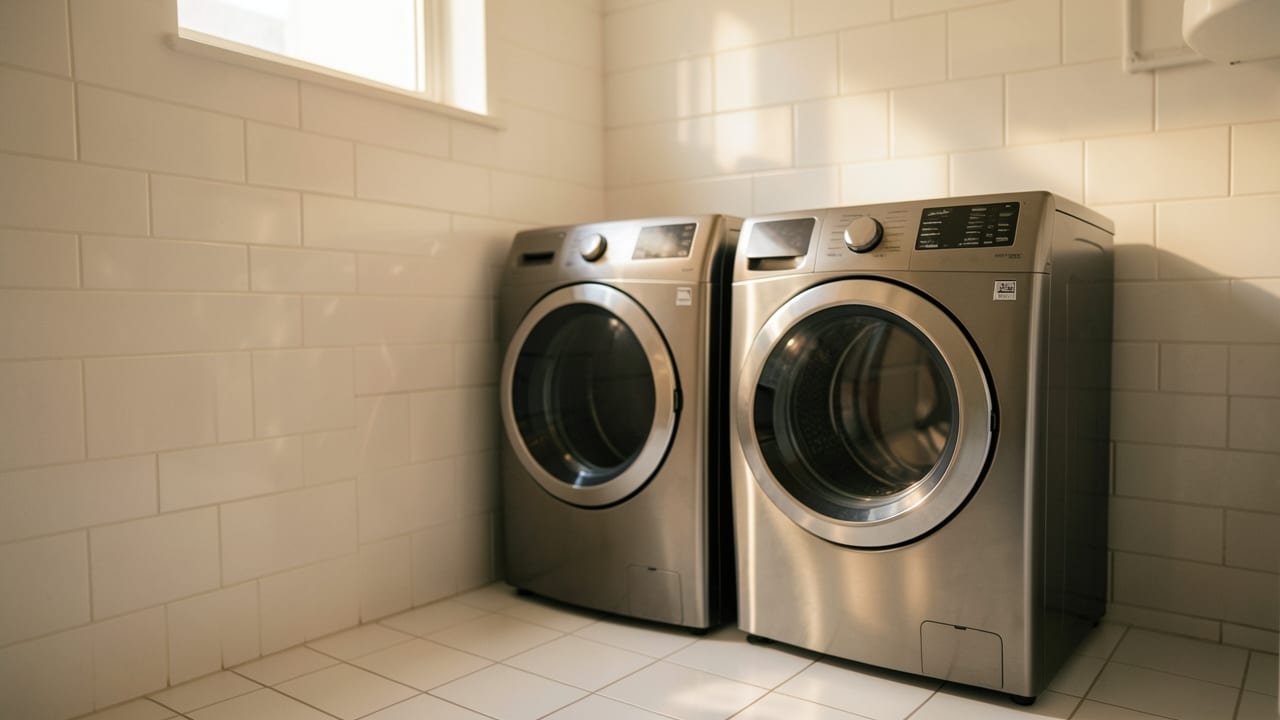
Laundry Room Mold Cleanup in Line Lexington, PA
Professional mold removal and remediation in laundry rooms to restore a safe, clean space.
Learn More
Window Sill Mold Cleanup in Line Lexington, PA
Professional cleanup of mold growth on window sills to restore a healthy indoor environment.
Learn More
Flood Damage Mold Remediation in Line Lexington, PA
Professional mold removal and remediation after flood damage in homes.
Learn MoreCommon Questions About Mold Remediation in Line Lexington
Everything you need to know about mold remediation services in Line Lexington
How much does Post-Remediation Sealing typically cost in Line Lexington, PA?
Why does Line Lexington, PA's humidity make mold a bigger risk than in drier regions?
Is black mold actually more dangerous than other mold types?
How long does a typical mold remediation job take?
Is it safe to stay in the home during mold remediation?
Can small mold problems be handled without hiring anyone?
Need Mold Remediation in Line Lexington?
Connect with local providers in Line Lexington for a detailed quote.
⏰ We answer your call • Serving all of Line Lexington and surrounding areas