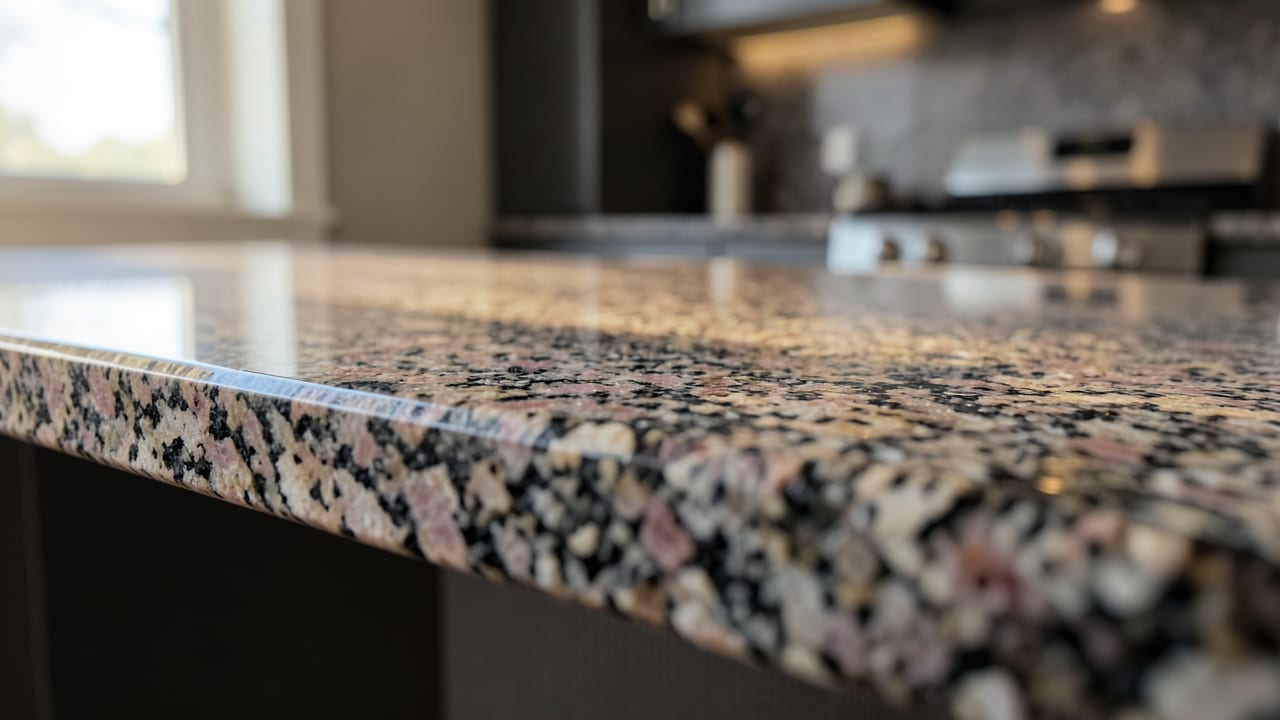
Stone Countertop Mold Removal
Professional removal of mold from stone countertops using specialized cleaning and treatment methods.
Stone countertop mold removal in Line Lexington, PA, targets fungal growth on natural or engineered stone surfaces like granite, marble, or quartz. The process involves deep cleaning with specialized solutions to eliminate spores and prevent regrowth, while ensuring the stone’s finish remains intact.
Proper containment and HEPA filtration are critical to avoid spreading spores during treatment.
We also handle Vinyl Flooring Mold Treatment and Stairwell Mold Remediation for Line Lexington properties.
When stone countertop mold removal is needed
Mold on stone countertops often starts as small, discolored patches but can spread quickly if moisture persists. A musty smell near the countertop, even without visible growth, may indicate hidden mold behind the surface or in adjacent cabinetry.
If cleaning attempts fail to remove the mold or it reappears within weeks, professional remediation is typically recommended.
Stone surfaces are non-porous, but mold can still cling to their polished finish or seep into tiny cracks. Unlike porous materials, stone cannot be fully sanitized with bleach or vinegar, which can damage the sealant.
Specialized mold-specific solutions are required to break down fungal growth without harming the stone’s appearance or structural integrity.
Signs Your Stone Countertop Needs Professional Mold Removal
- Mold covers more than a small, isolated patch (typically over 25 contiguous square feet).
- Visible mold keeps returning after DIY cleaning attempts.
- A musty odor lingers near the countertop, even when no mold is visible.
- The stone surface feels damp or has a slimy texture, indicating deep-seated growth.
What affects pricing and timing for stone countertop mold removal
Pricing for stone countertop mold removal varies based on the size of the affected area, the type of stone, and whether additional treatments—like resealing or refinishing—are needed. Unlike porous materials, stone does not require replacement, but deep cleaning and specialized solutions add to the cost.
The process also includes containment, HEPA filtration, and post-remediation testing, all of which influence the final quote.
Timing depends on drying requirements after treatment, as stone surfaces must fully dry to prevent regrowth. Humidity levels in the kitchen or bathroom can extend drying time. Containment and clearance testing, which are standard, may also add a day or two to the overall process.
| Factor | Impact on Cost | Impact on Timing |
|---|---|---|
| Size of affected area | Larger patches increase labor and material costs. | Larger areas require more containment setup time. |
| Type of stone (granite, marble, quartz) | Marble and granite may need extra sealing; quartz is often less labor-intensive. | Sealing or refinishing adds drying time. |
| Moisture source fix (e.g., leak repair) | Not included in remediation; must be addressed separately. | Fixing moisture issues may delay final clearance testing. |
| Additional treatments (resealing, refinishing) | Increases material and labor costs. | Extra drying or curing time may be required. |
Why containment and testing matter
Containment prevents mold spores from spreading to other areas of your home during removal. Plastic sheeting and negative-air machines seal the work area, ensuring spores stay confined. Without proper containment, spores can drift into HVAC systems or adjacent rooms, turning a small job into a larger cleanup.
Clearance testing after remediation confirms that spore counts have returned to normal levels. This step is critical because visible mold may be gone, but hidden spores can regrow if moisture conditions persist. Testing is typically done by an independent lab to ensure unbiased results.
Even small tears in plastic sheeting or open doors during remediation can release spores into unaffected areas. Always ensure the crew maintains full containment until testing confirms the space is clear.
How stone countertop mold removal works
This process focuses on deep cleaning stone surfaces while preventing spore spread.
- 1Containment Setup
Plastic sheeting and negative-air machines isolate the work area to prevent spores from escaping during treatment.
- 2Specialized Cleaning
Mold-specific solutions are applied to the stone surface to break down fungal growth without damaging the finish.
- 3HEPA Filtration
HEPA air scrubbers and vacuums capture spores stirred up during cleaning, ensuring they are not recirculated into the air.
- 4Drying and Inspection
Industrial dehumidifiers dry the area thoroughly, and the stone is inspected for residual moisture or regrowth.
- 5Clearance Testing
An independent lab tests air and surface samples to confirm spore levels are within normal ranges before containment is removed.
Frequently asked questions
Can I use bleach or vinegar to clean mold off my stone countertop?
Bleach and vinegar are not recommended for stone surfaces. They can damage the sealant, leaving the stone vulnerable to future mold growth. Specialized mold solutions are designed to clean without harming the finish.
How do I know if my stone countertop mold problem is too large for DIY cleaning?
If the mold covers more than 25 square feet or keeps returning after cleaning, professional remediation is typically needed. Hidden moisture sources or deep-seated growth also indicate a need for expert treatment.
Will the stone look the same after mold removal?
The goal is to restore the stone’s appearance as closely as possible. However, deep stains or extensive damage may require refinishing or resealing, which can alter the finish slightly.
Do I need to fix the moisture source before or after mold removal?
The moisture source should be addressed as part of the process. Removing mold without fixing leaks, condensation, or poor ventilation often leads to regrowth. A professional will assess both issues during the job.
See Telford, PA for more, or take a look at the rest of our Line Lexington lineup at a glance for our complete lineup.
Ready to get started?
Talk to a local mold remediation pro in Line Lexington — get a written quote.
Other Mold Remediation Services in Line Lexington

Vinyl Flooring Mold Treatment in Line Lexington, PA
Professional mold treatment and removal for vinyl flooring in homes.
Learn More
Stairwell Mold Remediation in Line Lexington, PA
Professional mold removal and prevention in stairwells to restore safe, clean spaces.
Learn More
Balcony Mold Cleanup in Line Lexington, PA
Professional removal and treatment of mold growth on balconies and adjacent structures.
Learn More
Sunroom Mold Remediation in Line Lexington, PA
Professional removal and treatment of mold in sunrooms to restore a safe, clean space.
Learn More
Hallway Mold Remediation in Line Lexington, PA
Professional removal and treatment of mold growth in residential hallways.
Learn More
HOA Mold Remediation in Line Lexington, PA
Professional mold removal and remediation for HOA properties to restore safe, healthy living conditions.
Learn MoreCommon Questions About Mold Remediation in Line Lexington
Everything you need to know about mold remediation services in Line Lexington
How much does Stone Countertop Mold Removal typically cost in Line Lexington, PA?
Why does Line Lexington, PA's humidity make mold a bigger risk than in drier regions?
How long does a typical mold remediation job take?
Is it safe to stay in the home during mold remediation?
Can small mold problems be handled without hiring anyone?
What's the actual difference between mold removal and mold remediation?
Need Mold Remediation in Line Lexington?
Connect with local providers in Line Lexington for a detailed quote.
⏰ We answer your call • Serving all of Line Lexington and surrounding areas