
School Mold Remediation
Professional mold removal and remediation in schools to ensure a safe, healthy environment.
School mold remediation in Line Lexington, PA, involves identifying and safely removing mold growth in educational facilities, ensuring the safety of students and staff. This process includes containment, air filtration, and cleaning or replacing affected materials to prevent further spread.
Proper remediation helps maintain a healthy learning environment by addressing moisture sources and preventing regrowth.
We also handle Crawl Space & Basement Mold Remediation and Attic Mold Remediation for Line Lexington properties.
When is mold remediation needed?
Mold growth in schools often starts small but can quickly become a larger issue if left unaddressed. Visible mold covering more than a small, isolated patch—typically over 25 square feet—often indicates a problem that requires professional attention.
Recurring mold in the same spot, even after cleaning, suggests an underlying moisture issue that needs fixing.
A musty smell without visible mold often signals hidden growth, such as inside walls, under flooring, or within ductwork. If the smell worsens when the HVAC system turns on, the mold may be spreading through the building’s air circulation system.
These signs point to the need for professional assessment and remediation.
Signs Mold Remediation Is Needed
- Mold covering more than 25 square feet in a single area
- Recurring mold growth in the same spot after cleaning
- A persistent musty smell with no visible mold
- A stronger musty odor when the HVAC system is running
What affects the cost and timeline?
The cost of school mold remediation varies depending on the size of the affected area, the type of materials involved, and the extent of containment and documentation required. Schools with strict protocols, such as hospitals or food-service kitchens, may require additional steps, increasing the overall cost.
Timing depends on factors like drying time, which is influenced by humidity levels, and the complexity of the containment setup. Industrial dehumidifiers and air movers are used to ensure structural materials dry properly before the space is closed up.
Clearance testing, conducted by an independent third party, confirms that spore levels are back to normal before the work is considered complete.
Why containment and testing matter
Containment is critical during mold remediation to prevent spores from spreading to unaffected areas. Plastic sheeting and negative-air machines seal the work area, ensuring airborne spores stay within the containment zone.
Without proper containment, spores can drift into hallways, classrooms, or HVAC systems, turning a contained job into a much larger problem.
Clearance testing, conducted by an independent lab, verifies that spore levels are back to normal after remediation. This step ensures the work was effective and reduces the risk of regrowth. Skipping clearance testing leaves no confirmation that the space is truly safe.
Breaches in containment—such as torn plastic or open doors—can release spores into unaffected areas, expanding the contamination.
How school mold remediation works
This process ensures mold is safely removed and moisture sources are addressed to prevent regrowth.
- 1Containment Setup
Plastic sheeting and negative-air machines seal the affected area to prevent spores from spreading during removal.
- 2Material Removal or Cleaning
Porous materials like drywall and insulation are cut out and bagged, while non-porous surfaces like tile are scrubbed and treated.
- 3Air Filtration and Vacuuming
HEPA-filtered air scrubbers and vacuums capture spores instead of recirculating them, ensuring cleaner air during the process.
- 4Structural Drying
Industrial dehumidifiers and air movers dry framing and subfloors to normal moisture levels before the space is closed up.
- 5Clearance Testing
An independent lab tests air or surfaces to confirm spore levels are back to normal before the work is considered complete.
Frequently asked questions
How do I know if mold in my child’s school is serious enough to need professional remediation?
If mold covers more than 25 square feet, keeps returning after cleaning, or causes a musty smell with no visible growth, professional remediation is typically recommended. Hidden mold—such as behind walls or in ductwork—often requires expert assessment.
Can mold regrow after remediation if the moisture source isn’t fixed?
Yes, mold will often return if the underlying moisture issue—like a leak or poor ventilation—isn’t addressed. Fixing the source is essential for long-term results.
Why is containment so important during mold removal?
Containment prevents spores from spreading to unaffected areas during removal. Without it, spores can drift into hallways, classrooms, or HVAC systems, making the problem worse.
What should I look for in a mold remediation contractor?
Check for proper containment methods, HEPA filtration, clearance testing by an independent lab, and a written scope of work. Avoid contractors who rush the process or skip key steps.
See Blue Bell, PA for more, or take a look at what we cover for Line Lexington properties at a glance for our complete lineup.
Ready to get started?
Talk to a local mold remediation pro in Line Lexington — get a written quote.
Other Mold Remediation Services in Line Lexington
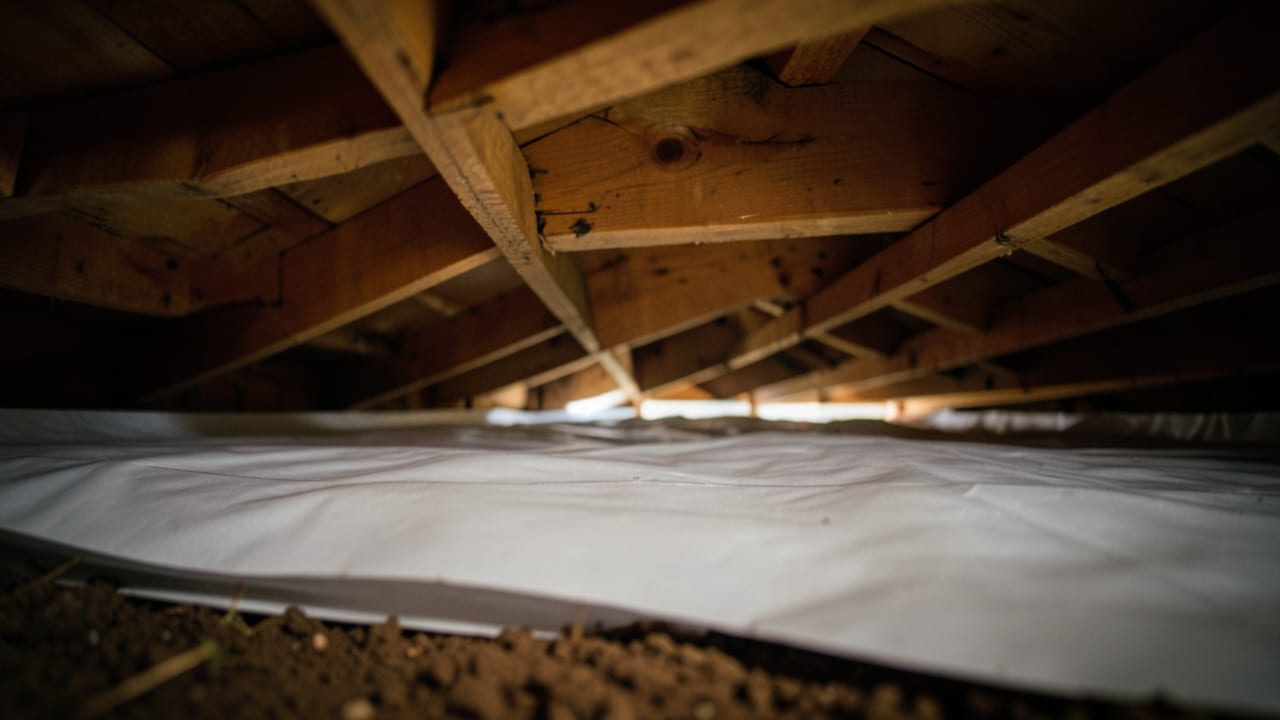
Crawl Space & Basement Mold Remediation in Line Lexington, PA
Crawl space and basement mold remediation in Line Lexington, PA addresses the two areas of a property most prone to trapped, unnoticed moisture.
Learn More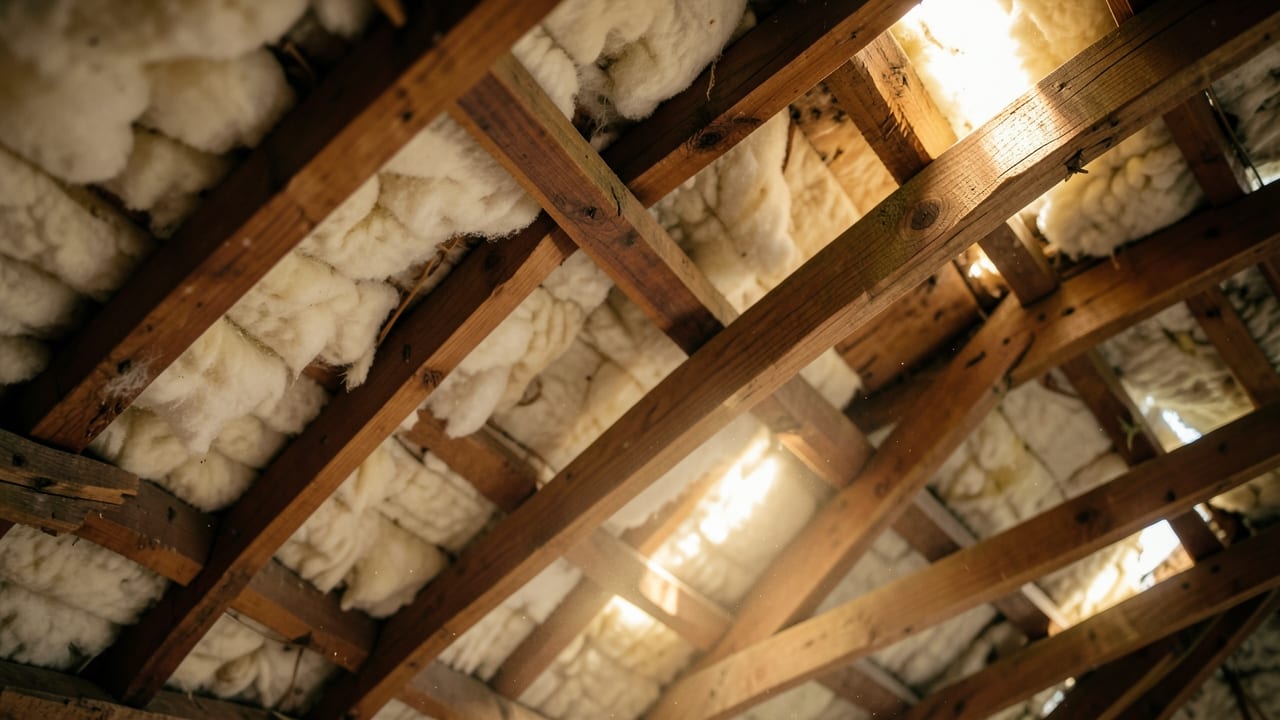
Attic Mold Remediation in Line Lexington, PA
Attic mold remediation in Line Lexington, PA addresses roof-deck growth typically caused by poor ventilation or a hidden roof leak.
Learn More
Commercial Mold Remediation in Line Lexington, PA
Commercial mold inspection and remediation in Line Lexington, PA for offices, retail space, and multi-unit properties, scheduled around business operations.
Learn More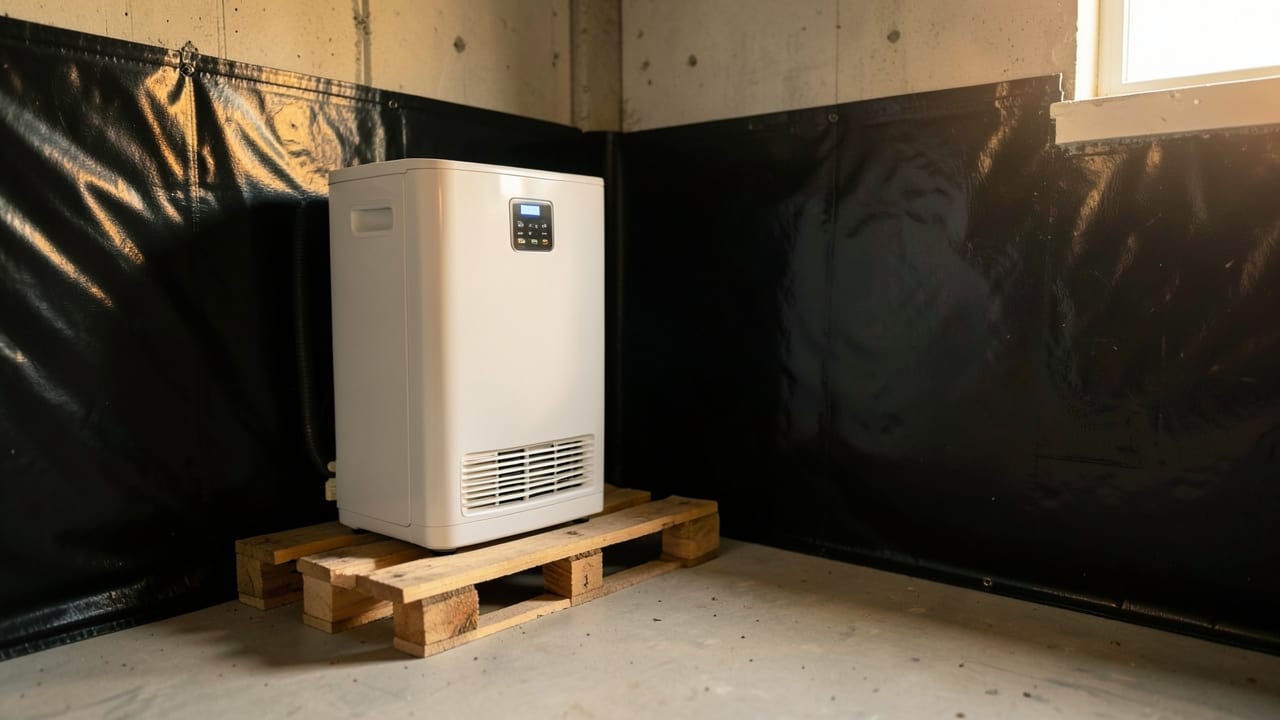
Mold Prevention & Moisture Control in Line Lexington, PA
Mold prevention and moisture control in Line Lexington, PA — addressing ventilation, humidity, and drainage before growth starts, not after.
Learn More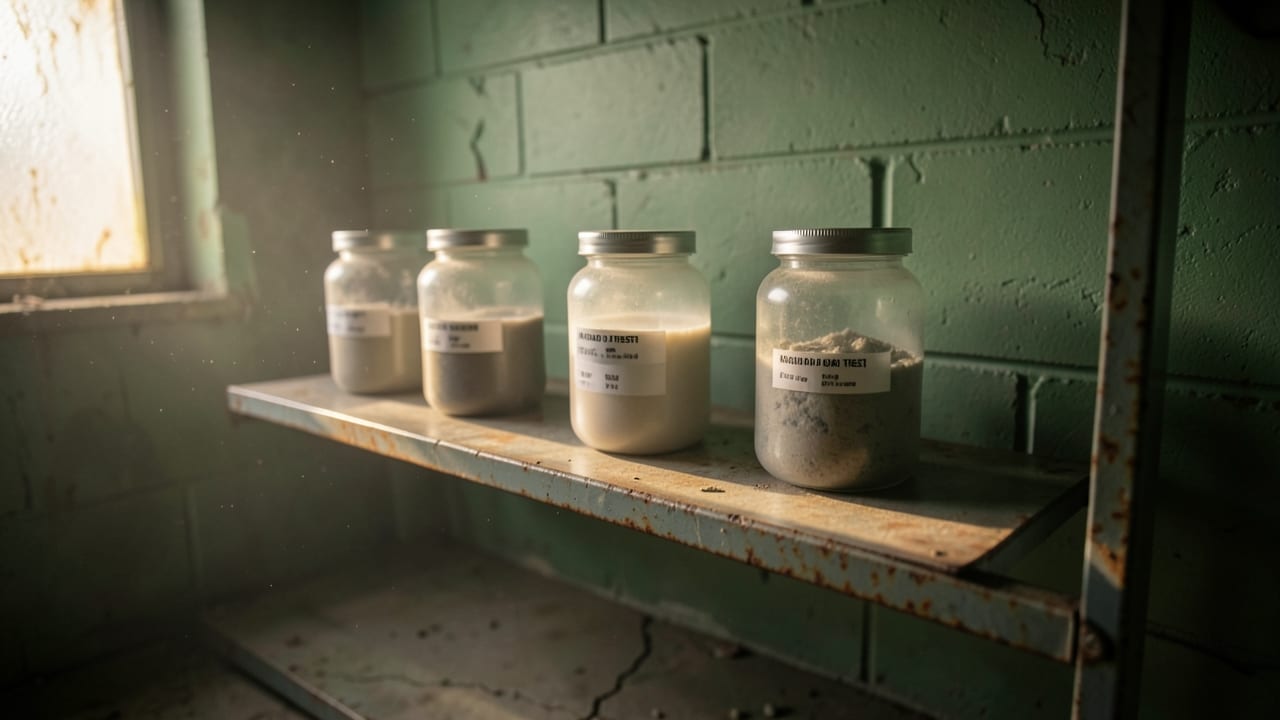
Mold & Asbestos Testing in Line Lexington, PA
Combined mold and asbestos testing in Line Lexington, PA — one inspection visit, lab-verified results for both.
Learn More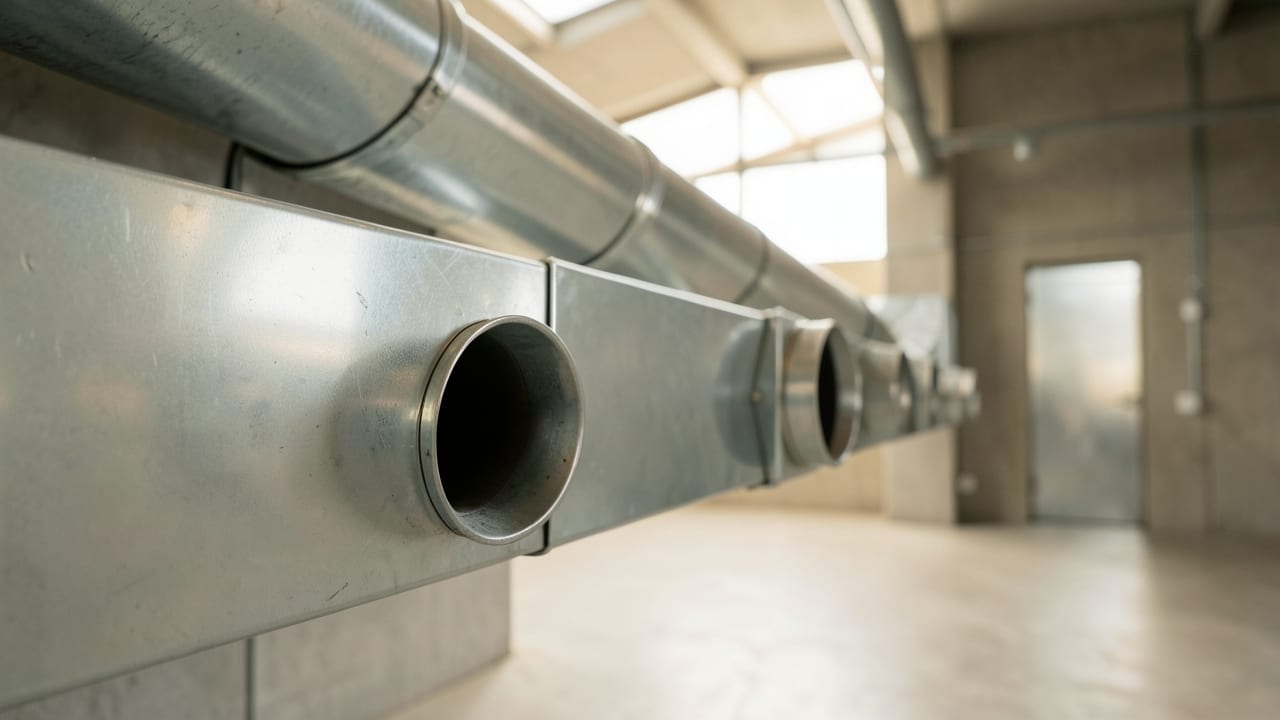
HVAC Mold Remediation in Line Lexington, PA
HVAC and ductwork mold remediation in Line Lexington, PA — mold growing inside the air handler or duct system, spreading through every vent.
Learn MoreCommon Questions About Mold Remediation in Line Lexington
Everything you need to know about mold remediation services in Line Lexington
How much does School Mold Remediation typically cost in Line Lexington, PA?
Why does Line Lexington, PA's humidity make mold a bigger risk than in drier regions?
Does homeowners insurance typically cover mold remediation?
Is black mold actually more dangerous than other mold types?
How long does a typical mold remediation job take?
Is it safe to stay in the home during mold remediation?
Need Mold Remediation in Line Lexington?
Connect with local providers in Line Lexington for a detailed quote.
⏰ We answer your call • Serving all of Line Lexington and surrounding areas